

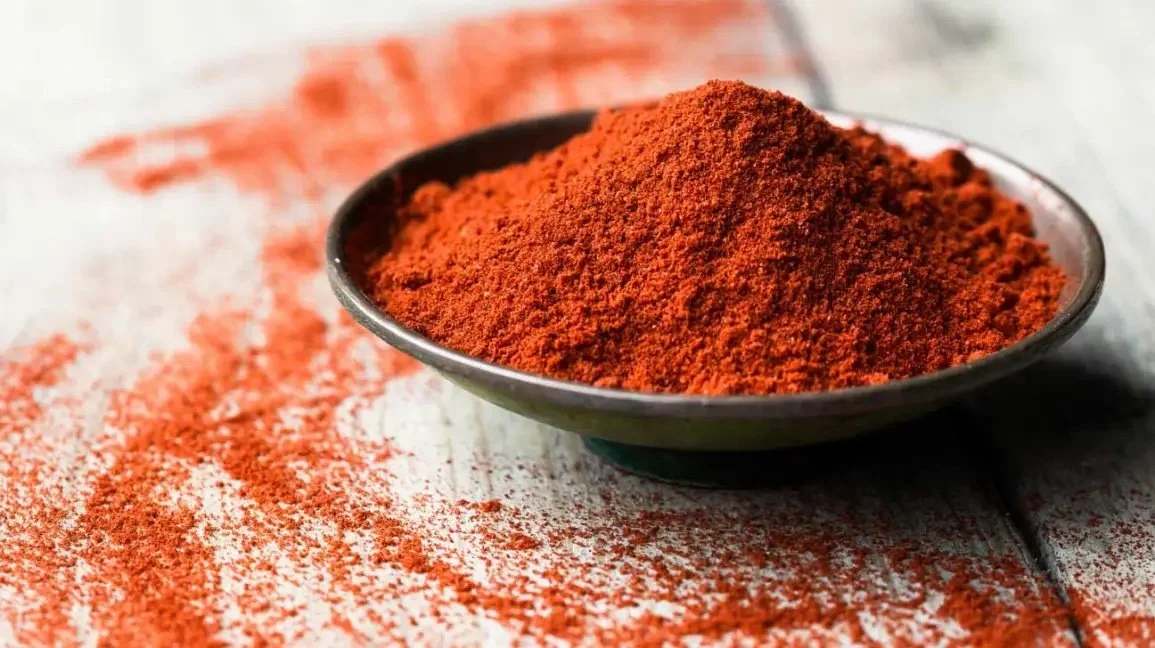
paprika
Overview
Paprika is a spice made from the chili pepper family. Grind up dried chili peppers (capsicum) into a fine dust and you’ll have paprika.
Perhaps best known for its liberal use in Hungarian cooking (as in the paprika-spiced stew, goulash), paprika is enjoyed by many different cultures for its kick of flavor and bright color.
Just like the peppers it comes from, paprika can be sweet and mild, medium-spicy, or hot.
Hot smoked paprika is another variation. In Spain, for example, smoked Paprika is called pimentón and is a primary ingredient in chorizo sausage.
Identification
The texture of paprika is very fine (unlike chili flakes, which also come from dried chili peppers).
This dried spice is a deep orange-red color. If used in high quantities it can color an entire dish. Sprinkled liberally, it can add an exciting pop of color to otherwise pale foods (like chicken or potatoes).
The color of paprika can vary depending on type. Smoked paprika, for example, has a deeper, richer color than regular paprika.
Nutrition Info
1 tsp of paprika contains 6 calories, 0.3g of protein, 0.3g of fat, 1.2g of carbohydrates, 0.8g of fiber, and 0.2g of sugar.
The deep red color of paprika does more than look pretty: it also comes packed with carotenoids and vitamin A.
Paprika also offers vitamin E, vitamin B6, iron, riboflavin, niacin, potassium, and is even packed with fiber.
Selection
If buying in a package, check for the date the spices were packaged: technically, the spices may last indefinitely, but flavor tends to dwindle significantly after 6 months.
If buying bulk, choose from a supplier that sells a lot of spices (in other words, where turnover is high and the bulk spices aren’t sitting out for months at a time).
Paprika should be fragrant and brightly colored. If it smells dull or musty, or the color looks flat, don’t buy it.
Storage
Store your spices in an airtight container and keep them in a cool, dark place, such as the pantry. Avoid keeping them over the stove where heat and moisture can affect their flavor and longevity. Never refrigerate dried spices.
Preparation
Paprika can be used as part of your usual seasoning: add it along with salt and pepper to your meat or vegetables for an extra hit of flavor, color, and nutrients. Or, get creative and use paprika in your spice rubs, barbecue sauces, and marinades.
Paprika is an excellent spice to enliven mild tasting foods. It works great as a dry rub for chicken, pork chops, or tofu. Try dusting it onto roasted potatoes or corn-on-the-cob. Mix it into your macaroni and cheese. Stir it into your chowder. Or add it to a spicy tomato sauce paired with poached eggs.
(Tip: next time you make a grilled cheese sandwich, try swapping out your usual cheddar for some Spanish Manchego cheese. Brush the bread with olive oil and dust with garlic powder and smoked paprika. Grill until cheese is melted. Enjoy!)