

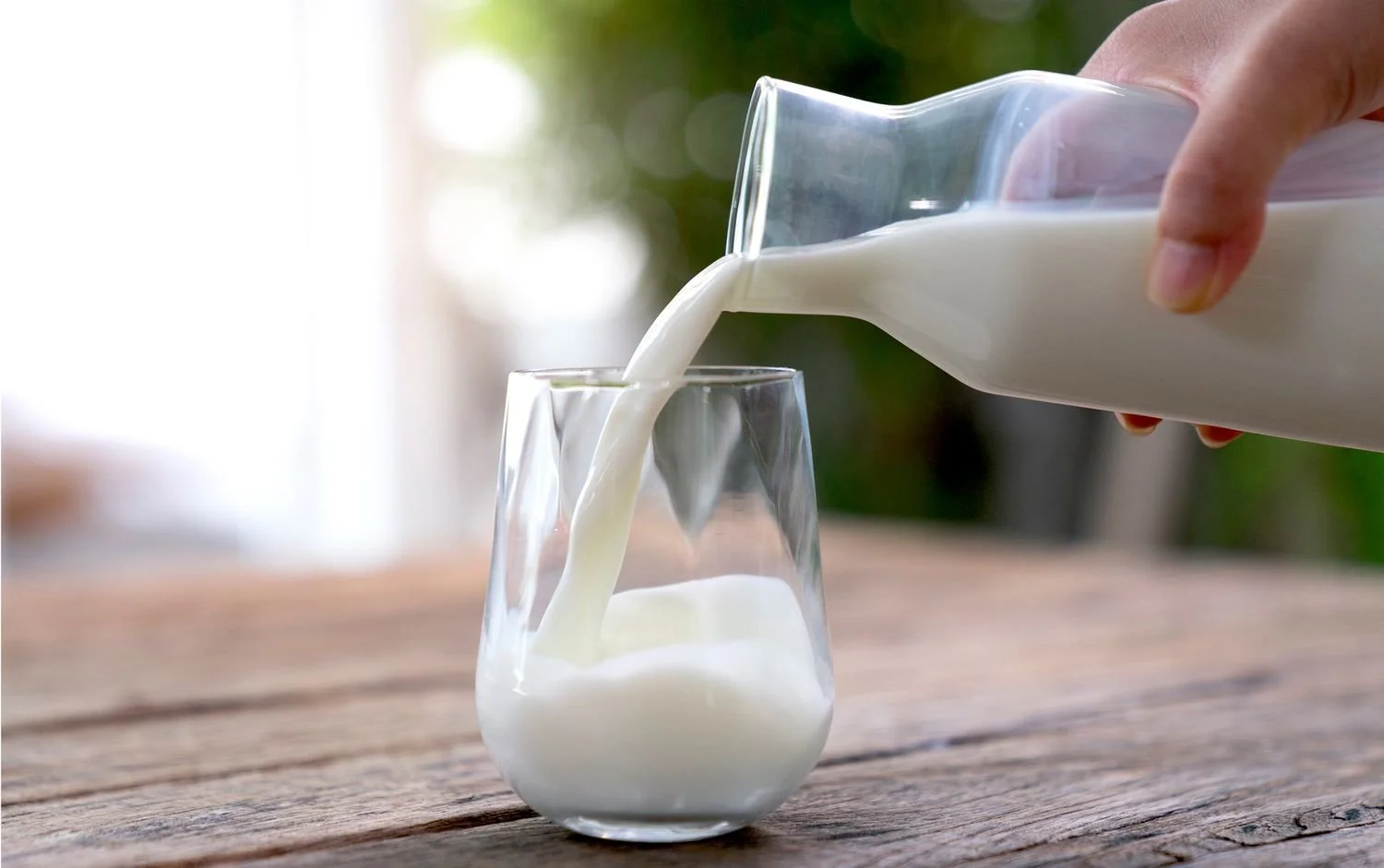
milk
Overview
Cow's milk is a staple beverage and cooking ingredient around the world. It is the liquid produced by the mammary glands of cows and is commonly consumed by humans, particularly in Western countries.
Cow's milk can be found in various forms, including whole, skim, low-fat, and flavored versions. It is a versatile ingredient used in a wide range of culinary applications, from drinking and cooking to baking and creating dairy products such as cheese, yogurt, and butter.
Identification
Cow's milk is typically white to creamy in color and has a smooth, liquid consistency. It is sold in various fat contents:
Whole milk: Contains about 3.5% fat, giving it a rich, creamy texture.
2% milk: Reduced-fat milk with 2% fat content.
1% milk: Low-fat milk with 1% fat content.
Skim milk: Also known as fat-free or non-fat milk, it has less than 0.5% fat.
Milk can be found in cartons, plastic jugs, or glass bottles in the refrigerated section of grocery stores. It may also be fortified with vitamins A and D.
Nutrition Info
The nutritional content of cow's milk varies depending on its fat content. On average, one cup (240 ml) of whole milk contains approximately 149 calories, 7.7g protein, 8g fat, 11.7g carbohydrates (mostly lactose).
Cow's milk is a good source of calcium, vitamin D (if fortified), vitamin B12, potassium, and phosphorus. It also contains riboflavin (vitamin B2) and small amounts of other essential nutrients.
Cows milk is actually one of the most hydrating beverages you can consume and extremely anabolic given you don't have a lactose intolerance.
Selection
When purchasing cow's milk, consider the following:
Fat content: Choose the type of milk that best suits your dietary needs and preferences. Whole milk is richer and creamier, while skim milk is lower in calories and fat.
Organic vs. conventional: Organic milk comes from cows that are raised without synthetic pesticides, fertilizers, or antibiotics. Conventional milk may come from cows treated with these substances.
Fortification: Many milk products are fortified with vitamins A and D, which can be beneficial for bone health.
Lactose-free options: If you are lactose intolerant, look for lactose-free milk, which has the lactose broken down for easier digestion.
Storage
Store cow's milk in the refrigerator at or below 40°F (4°C). Keep it in its original container to maintain freshness and prevent it from absorbing odors from other foods.
Once opened, milk should be consumed within 5-7 days for the best quality. Always check the expiration date before purchasing and consuming milk.
Preparation
Cow's milk is incredibly versatile and can be used in a variety of ways:
Drinking: Enjoy milk on its own, flavored with chocolate or strawberry syrup, or added to coffee or tea.
Cooking: Use milk in recipes for soups, sauces, casseroles, and mashed potatoes to add creaminess and flavor.
Baking: Milk is a key ingredient in many baked goods, including cakes, muffins, pancakes, and bread.
Dairy products: Milk is the base for making cheese, yogurt, butter, and ice cream.
When heating milk, do so gently to avoid scorching or curdling. For recipes that require scalded milk, heat it just until small bubbles form around the edges, then remove it from the heat.
Cow's milk can also be used in smoothies, oatmeal, and cereal for a nutritious and satisfying meal or snack.