

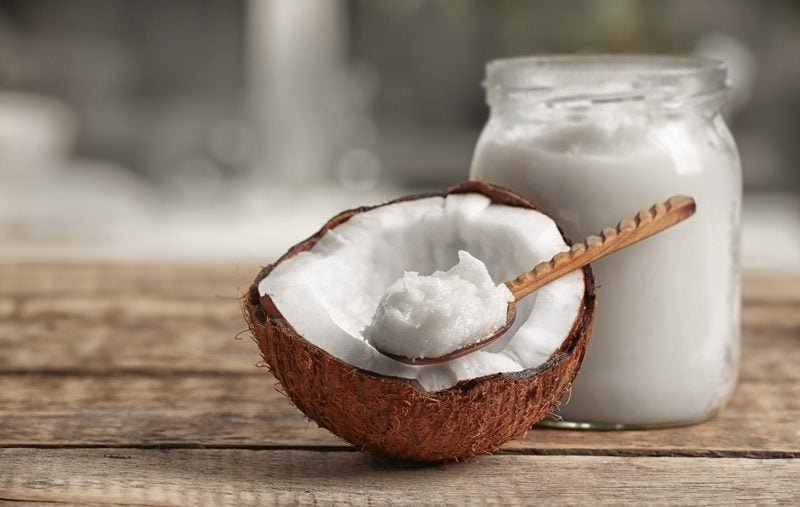
coconut butter
Overview
Coconut butter is a rich spread made from pureed, raw coconut meat.
Identification
Coconut butter is white, thick, and creamy. It is soft at room temperature, but hardens when cooled. It has a rich coconut taste and aroma.
Nutrition Info
Two tablespoons of coconut butter have about 210 calories, 2.0g of protein, 8.0g of carbohydrates, 5.0g of fiber, 2.0g of sugar, and 18.0g of fat.
Coconut butter is rich in minerals including potassium, phosphorus, and magnesium.
Selection
Coconut butter comes in pre-packaged jars. You can find it at your local health food store with the nut butters.
Don’t confuse coconut butter with coconut oil; though similar, coconut butter has a richer, more fulsome texture. It also responds to heat differently and generally stays solid at room temperature (unlike coconut oil).
Much like nut butters, it’s easy to make your own coconut butter. Purchase a bag of unsweetened coconut (full-fat) and blend it in your food processor or blender for 5-10 minutes (the time depends on the power of your appliance). Once it’s creamy and smooth, transfer it to a mason jar or other sealed container.
Storage
Store coconut butter in the cupboard. Refrigeration is not recommended. Note that coconut oil separation may occur, causing a white, solid top layer. If this happens, simply stir the coconut oil and blend it all back together with a spoon (this is a similar to the oil separation of natural peanut butter). If you have trouble blending it, warm it slightly — try 5 to 10 seconds in the microwave.
Preparation
Coconut butter requires little to no preparation. Depending on the time of year or climate you live in, you may need to heat the coconut butter in the microwave for up to 10 seconds to soften it. Once soft enough to handle, you can spread it on toast, use it in recipes, enjoy with fruit, or add it to desserts.