

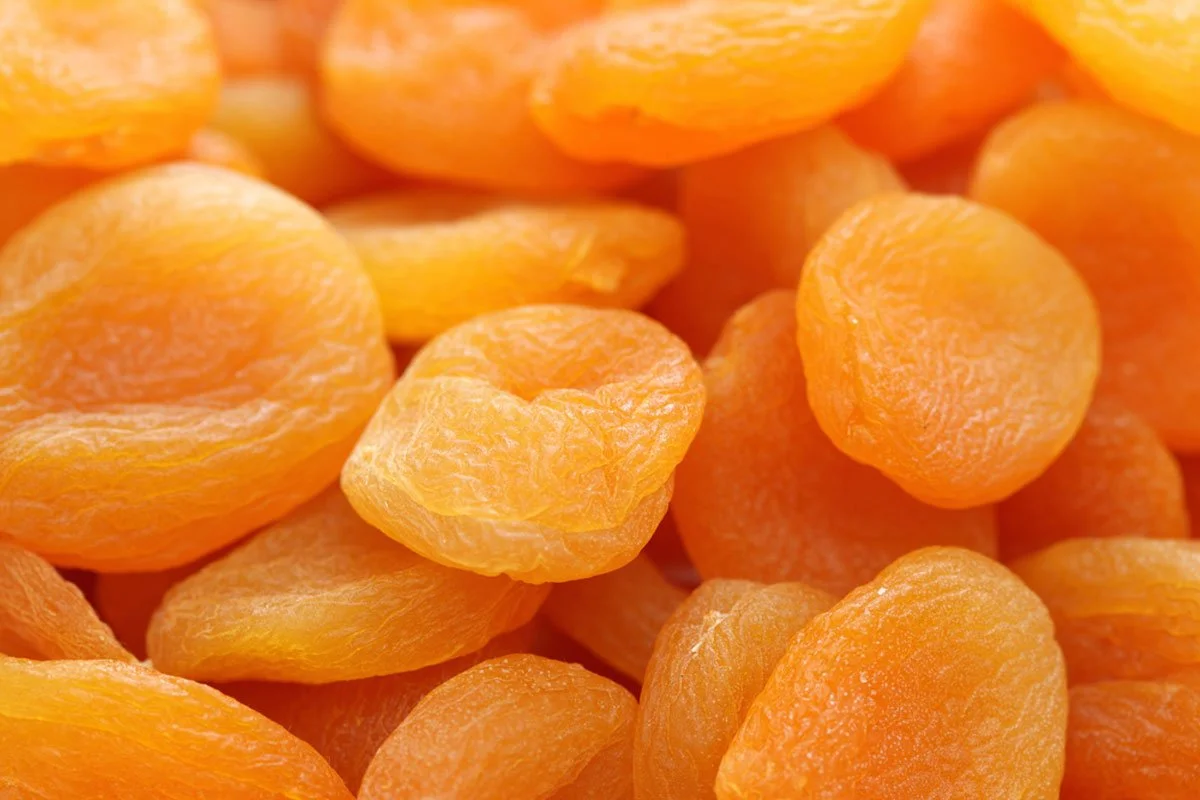
apricot
Overview
Delicate and adorable, apricots are small, velvet-skinned stone fruits belonging to the same plant family as peaches and plums.
Historically, apricots have a reputation of being an aphrodisiac. In Shakespeare’s A Midsummer Night’s Dream, Titania directs her fairies to feed Puck apricots as part of a love potion used to ignite passion between them. In Australia, Aboriginals made an aphrodisiac tea by steeping apricot kernels, which are also edible and have a bitter amaretto flavor.
Apricots trace their oldest roots back to China, although they arrived in Europe via Armenia, which is where it derives its scientific name, Prunus armeniaca. Apricots came to North America in the late 1700s’, with the climate in California best suiting this plant’s preferences. Today, Turkey is the world’s top producer of apricots.
Identification
Apricots are small, averaging about two inches in diameter. They have a delicate, velvety skin that is golden orange in color, sometimes with a blush of red where it faced the sun. Similar to a peach, apricots also have a subtle cleavage that runs along the length of one side.
The fruit is not overly juicy but has a lovely sweet and tart flavor that is a cross between that of a peach and a plum. Inside, apricots bear a pit which in turn bears an almond-like kernel, which are also sometimes eaten.
Dried apricots are also widely available and appear as vibrant orange, slightly wrinkled, chewy discs. However, dried apricots retain their sunset hue only when treated with sulfur dioxide, a preservative. If you find apricots that are untreated, they will be brown, but just as delicious.
Nutrition Info
Two small apricots (about 70g) have 34 calories, 1.0g of protein, 0.3g of fat, 7.8g of carbohydrates, 1.4g fiber, and 6.5g sugar. Apricots are a good source of vitamin C and beta-carotene.
Selection
Apricots are a symbol of summer and come into season May through August in North America. During this time, they will be available fresh at most grocery stores and markets.
Look for apricots that have a rich orange pigment and those that yield slightly to a gentle squeeze. Those that are pale or too hard were likely picked before they were ripe and will be less flavorful than a tree-ripened apricot.
Storage
Store ripe apricots at room temperature for up to three days. If they are ripening too quickly, you can transfer them to the fridge to slow this process. Apricots may also be pitted and sliced, and then frozen in an airtight container for up to six months.
Try to avoid piling apricots on top of one another, or with other fruit; their delicate skin is easily bruised.
Preparation
Like an apple, apricots are ready as-is to have your teeth sunk into them. All that’s needed is a quick rinse, and then you may eat it straight, or slice it. They are also delicious blended in a smoothie or topped on yogurt.